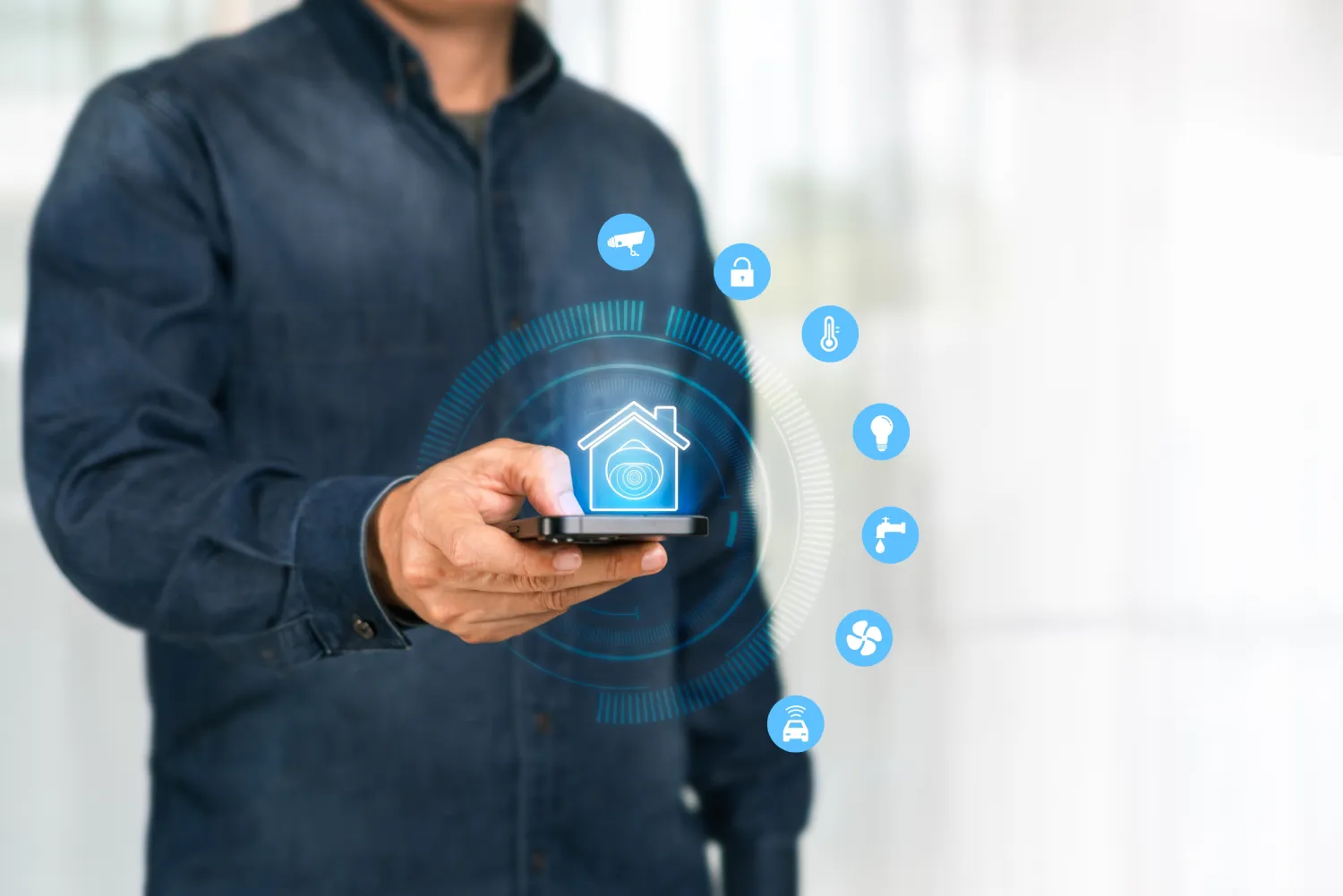
Security has also become a key focus of smart home technology. Many homes now include connected doorbells, motion sensors, and camera systems that allow homeowners to monitor entrances and outdoor areas remotely. These systems often send notifications to a mobile device when movement is detected or when someone rings the doorbell. For people who travel frequently or spend long hours away from home, the ability to check on their property from anywhere provides reassurance and awareness of what is happening around their home.
Advertising
However, the growth of smart home technology also raises questions about privacy and data protection. Connected devices often collect information about user habits, such as when lights are turned on or when doors are opened. Technology companies emphasise security features designed to protect this data, yet many experts encourage homeowners to remain informed about how their devices operate. Using strong passwords, updating software regularly, and choosing reputable brands can help reduce potential risks.
The future of smart homes is likely to involve even greater integration between devices and services. As technology continues to develop, systems may become more intuitive, adapting automatically to household routines and preferences. For many people in the UK, the appeal of smart homes lies not only in automation but also in the opportunity to create living spaces that respond more naturally to everyday needs. While the concept continues to evolve, connected homes already represent an important shift in how people interact with their living environments.