
Home Sports
Category:

Sports

Advertising

Sport is often discussed in terms of competition, training, and athletic performance, yet the experience of watching live events also holds an important place within sporting culture. Across the United Kingdom, attending matches and competitions has become a social tradition that brings together supporters from different backgrounds. Whether it takes place in a large stadium or a local arena, the atmosphere of a live sporting event offers an energy that differs greatly from watching the same competition on television.

The anticipation leading up to a live event often begins long before the match starts. Supporters travel to stadiums wearing team colours, meeting friends outside venues, and discussing predictions for the game ahead. This shared excitement builds gradually as crowds gather at entrances and the sounds of cheering grow louder. For many fans, the journey to the stadium is just as meaningful as the event itself, as it provides an opportunity to participate in traditions that have developed over many years.

Inside the stadium, the atmosphere created by thousands of spectators transforms the event into a collective experience. Chants, applause, and reactions to key moments ripple through the crowd, creating a sense of unity among supporters. Even people who have never met before often feel connected through their shared enthusiasm for the same team or sport. These moments illustrate how sport can bring individuals together through a common focus on the unfolding competition.

Pages: 1 2

Advertising

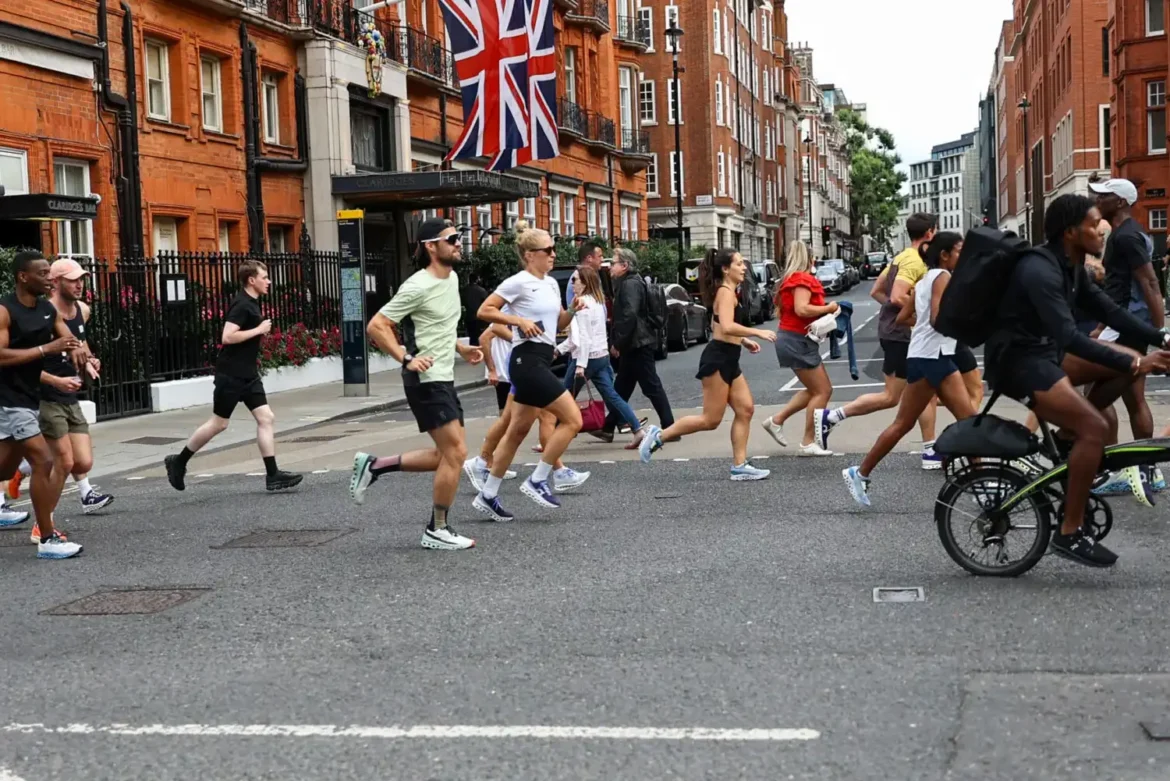
Running has become one of the most visible and widely practised sports across the United Kingdom. From city parks to countryside trails, it is common to see people of different ages heading out for a morning jog or an evening training session. One reason for the popularity of running is its accessibility. Unlike many sports that require specialised facilities or equipment, running can be practised almost anywhere. A comfortable pair of trainers and a safe route are often enough to begin. This simplicity has encouraged many individuals to incorporate running into their weekly routines, whether they are training for an event or simply enjoying time outdoors.

Organised races have played a major role in the growth of running culture. Cities and towns across Britain host a wide range of events, from short community runs to large marathons that attract participants from around the world. These races often bring thousands of runners together, creating a festive atmosphere filled with cheering spectators and volunteer organisers. Participants train for weeks or months leading up to the event, gradually building endurance while sharing their progress with friends, family, or local running clubs.

Running clubs provide an important social dimension to the sport. Many communities host groups that meet regularly to train together along parks, river paths, or urban streets. These clubs welcome runners of different experience levels, from beginners exploring their first kilometres to experienced athletes preparing for competitive races. Training together often encourages consistency, as group members motivate one another to maintain their schedules even during colder months or challenging weather.

Pages: 1 2

Advertising

In recent years, outdoor adventure sports have attracted increasing interest across the United Kingdom. Activities such as mountain biking, climbing, kayaking, and trail running invite participants to combine physical challenge with exploration of natural landscapes. These sports often take place in forests, rivers, hills, and coastal areas where participants experience both the excitement of movement and the beauty of the surrounding environment. For many individuals, outdoor sports offer a refreshing contrast to indoor fitness routines.

The geography of the United Kingdom provides diverse opportunities for adventure activities. Mountain ranges in Scotland and Wales attract climbers and hikers who seek challenging terrain and dramatic scenery. River systems and coastal waters support kayaking and paddleboarding, while extensive trail networks encourage cycling and running through countryside landscapes. Each region offers its own combination of environments that appeal to different types of outdoor enthusiasts.

One reason adventure sports have gained popularity is the desire for experiences that combine exercise with exploration. Participants often travel to new locations specifically to practise their chosen activity. A mountain biker might visit forest trails in northern England, while climbers may travel to limestone cliffs or granite crags. These journeys allow individuals to discover new environments while improving their skills and endurance.

Pages: 1 2

Advertising

Football holds a unique place in the sporting landscape of the United Kingdom. From local neighbourhood pitches to internationally recognised stadiums, the game has become deeply woven into British culture. While professional leagues attract global audiences, football’s influence extends far beyond televised matches. Supporters, amateur players, youth academies, and local clubs all contribute to a football culture that continues to evolve while maintaining strong connections to its historical roots.

The origins of modern football can be traced to British schools and universities in the nineteenth century, where organised rules began to shape the sport into the form recognised today. Over time, clubs formed in towns and industrial cities, providing workers and residents with opportunities for competition and recreation. These early clubs often developed close ties with their communities, and many of them still exist today as prominent teams with loyal supporters.

Football stadiums have become important cultural landmarks in many British cities. Match days transform these venues into vibrant gathering places where thousands of supporters come together to watch their teams compete. The atmosphere created by chanting crowds, team colours, and shared anticipation contributes to a powerful sense of unity among fans. For many supporters, attending matches becomes a cherished ritual passed down through generations.

Pages: 1 2

Advertising

Across the United Kingdom, sport has long played a role not only in professional competition but also in everyday community life. Local sports clubs, amateur leagues, and neighbourhood teams create opportunities for people of all ages to stay active while connecting with others who share similar interests. These community-based activities often take place on local pitches, in leisure centres, or on public playing fields where residents gather regularly to practise, compete, and socialise. While professional sport often dominates headlines, the grassroots level remains an essential part of the country’s sporting culture.

Local participation in sport often begins at an early age. Schools frequently introduce children to a variety of activities such as football, athletics, cricket, and swimming. These programmes encourage young people to develop physical skills while learning the value of teamwork and cooperation. For many children, school sports become the starting point for joining local clubs where they continue training after classes. Parents, teachers, and volunteer coaches often contribute their time to organise matches and practices, helping young athletes build confidence and discipline.

Amateur leagues provide an important platform for adults who wish to remain involved in sport beyond their school years. Many towns host football teams, rugby squads, tennis clubs, or running groups that welcome participants regardless of experience level. These organisations often rely on volunteers to manage schedules, maintain facilities, and coordinate matches with neighbouring communities. Weekly training sessions and weekend competitions create routines that bring people together regularly, strengthening social connections as well as physical activity.

Pages: 1 2

Advertising