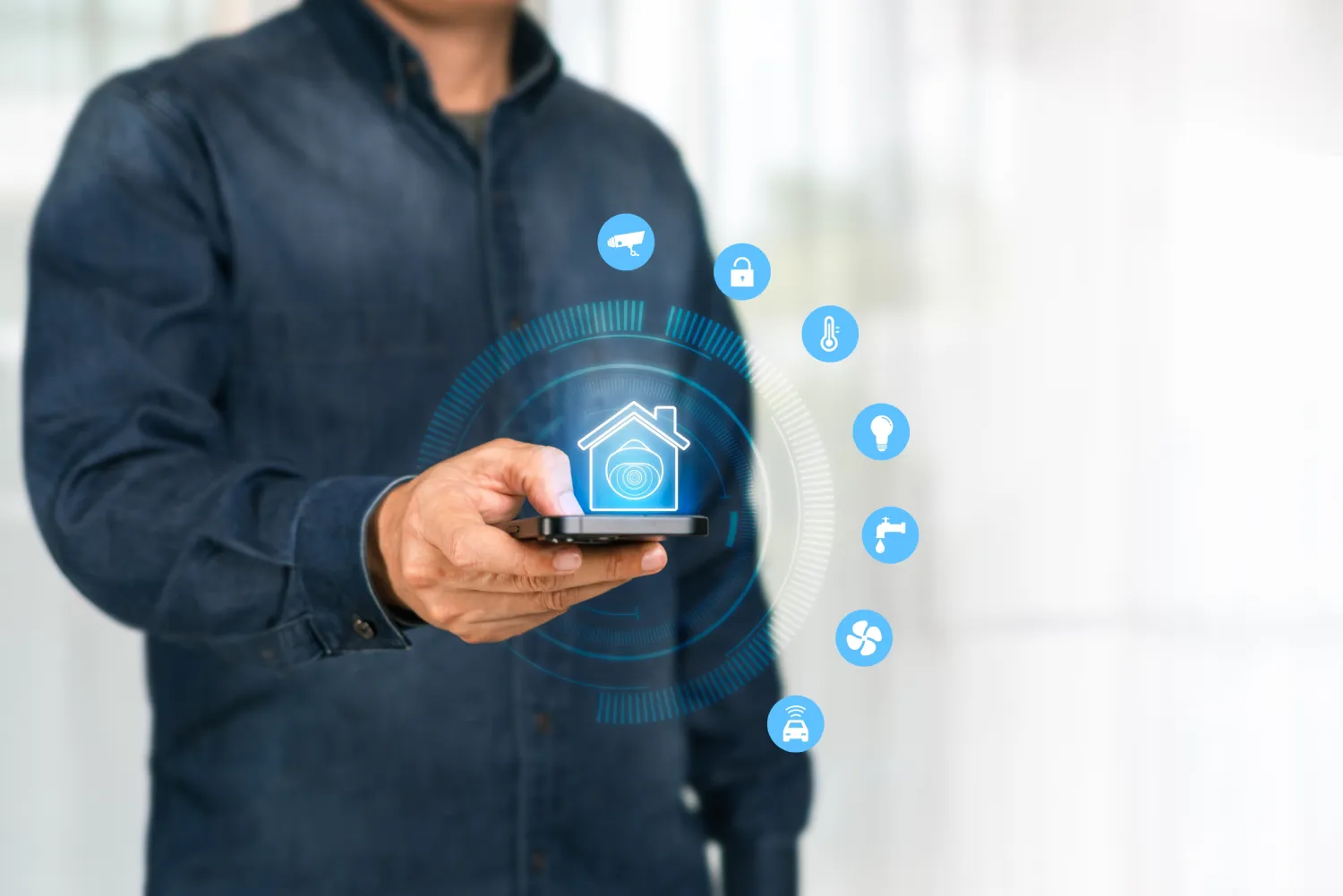
In recent years, the concept of the smart home has gradually moved from futuristic imagination into everyday reality. Across the United Kingdom, more households are beginning to integrate connected devices that communicate with each other through wireless networks and mobile applications. These systems often include smart lighting, voice assistants, security cameras, and automated heating controls. While early versions of home automation were expensive and complex, modern devices are generally easier to install and manage, making them accessible to a broader range of households.
Advertising
One of the most noticeable features of smart homes is convenience. Connected devices allow people to manage different parts of their home through smartphones or voice commands. For example, lights can be turned on before arriving home, thermostats adjusted from another room, or security cameras checked while away on holiday. These capabilities allow homeowners to interact with their living spaces in more flexible ways. Instead of manually adjusting each appliance, systems can be controlled centrally or even scheduled according to daily routines.
Energy management is another reason many households explore smart technology. Smart thermostats, lighting systems, and energy monitors provide insight into how electricity and heating are used throughout the home. By analysing these patterns, residents can adjust settings to better match their daily habits. For instance, heating might be reduced automatically during working hours and increased before residents return in the evening. Over time, this type of control can encourage more efficient use of household resources.