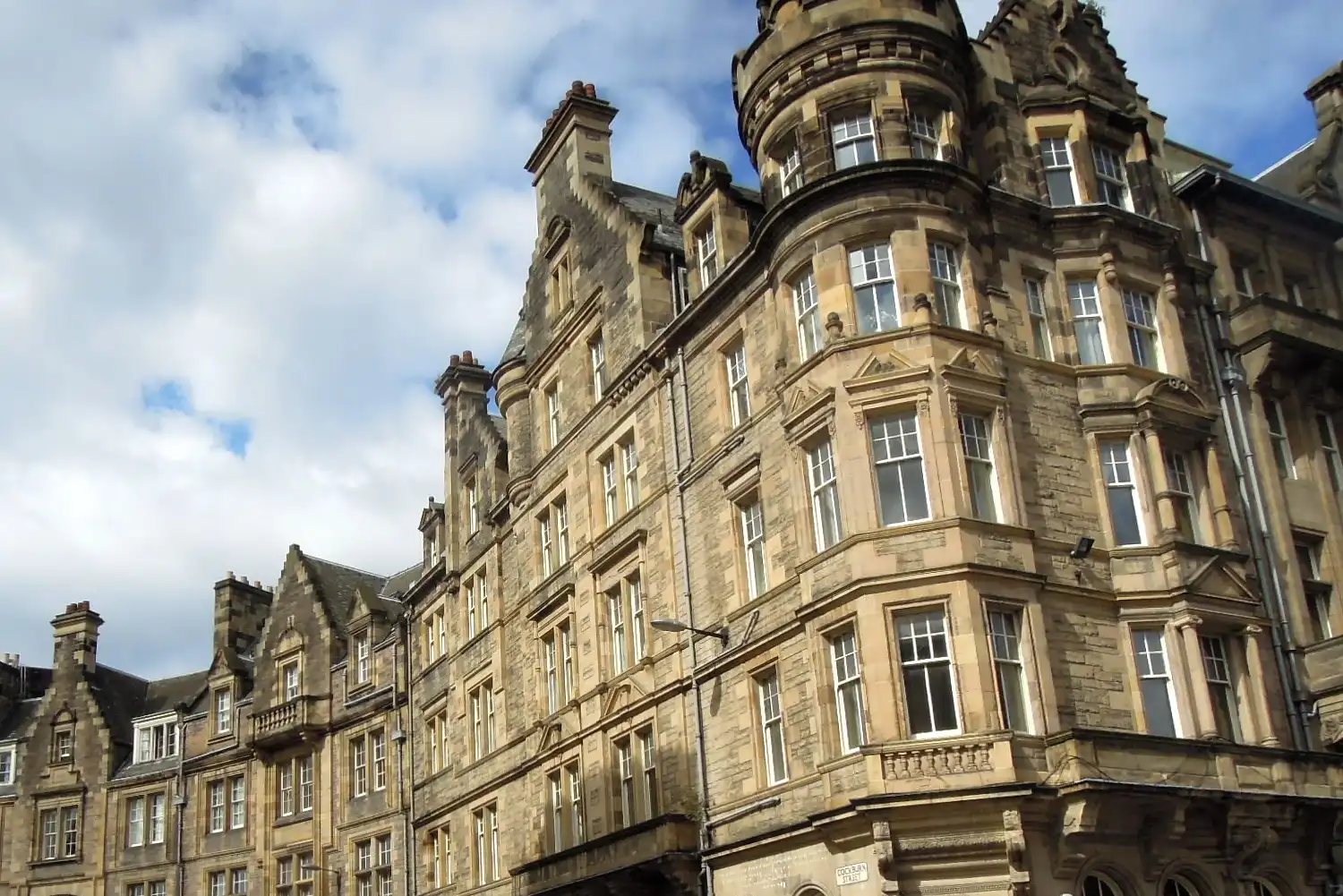
Architecture provides another way to appreciate historic cities beyond their most famous structures. Many British cities display a blend of architectural styles reflecting different historical periods. Georgian terraces, Victorian townhouses, and modern developments often stand side by side, creating urban landscapes that tell stories about changing tastes and technologies. Travellers who look beyond the main squares may discover charming courtyards, hidden gardens, or small alleyways that reveal unexpected architectural details.
Advertising
Art and creative culture also contribute to the character of historic cities. Independent galleries, street art, and small performance venues often flourish in neighbourhoods that lie slightly outside the main tourist routes. These creative spaces showcase the work of local artists and musicians while offering visitors an opportunity to experience the contemporary cultural scene. By exploring these areas, travellers can witness how historic environments continue to inspire modern creativity.
Exploring historic cities in this way encourages curiosity and openness to unexpected discoveries. Instead of focusing solely on well-known attractions, travellers allow themselves time to wander and observe the rhythms of urban life. This approach often leads to memorable experiences: a quiet café discovered in a narrow street, a conversation with a shop owner, or a small exhibition tucked inside an old building. Such moments remind visitors that cities are living places shaped by both history and the people who inhabit them today.