Along many sections of the coast, small fishing villages and seaside towns offer welcoming places to rest during a walk. Travellers often stop for lunch at a harbour café or explore narrow streets lined with colourful cottages. These communities frequently have long connections to maritime traditions, and local museums or small galleries sometimes share stories about fishing, shipbuilding, and coastal trade. Spending time in these villages allows visitors to understand how the sea has influenced local culture for generations.
Advertising
Weather plays a significant role in shaping coastal travel experiences. British coastal climates can change quickly, bringing dramatic skies and shifting light that transform the landscape throughout the day. A calm morning may give way to rolling clouds in the afternoon, creating striking contrasts between sea and sky. Many travellers find these atmospheric changes part of the appeal, as they highlight the powerful relationship between land and ocean.
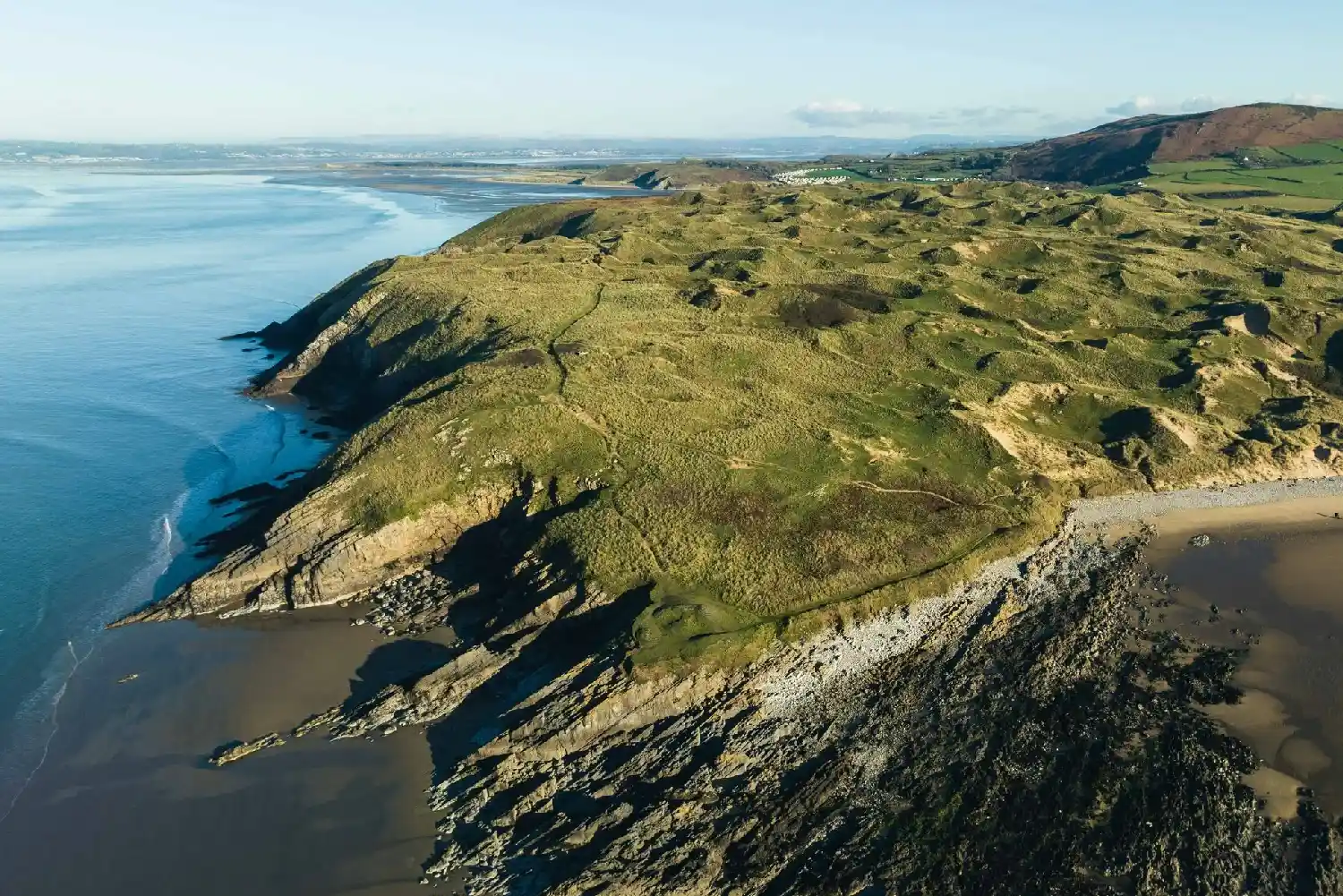
Coastal walking encourages a style of travel that values patience and observation. Instead of rushing between major attractions, travellers move at a steady pace, noticing the rhythm of waves, the scent of sea air, and the textures of cliffs shaped by centuries of erosion. These journeys often remind visitors that some of the most memorable travel experiences come from simply spending time in nature, allowing the landscape to unfold gradually with each step along the path.